
Table of Contents
Kentucky is in the early stages of a housing affordability crisis—and we can either learn from California's catastrophic failures or chart a better course.
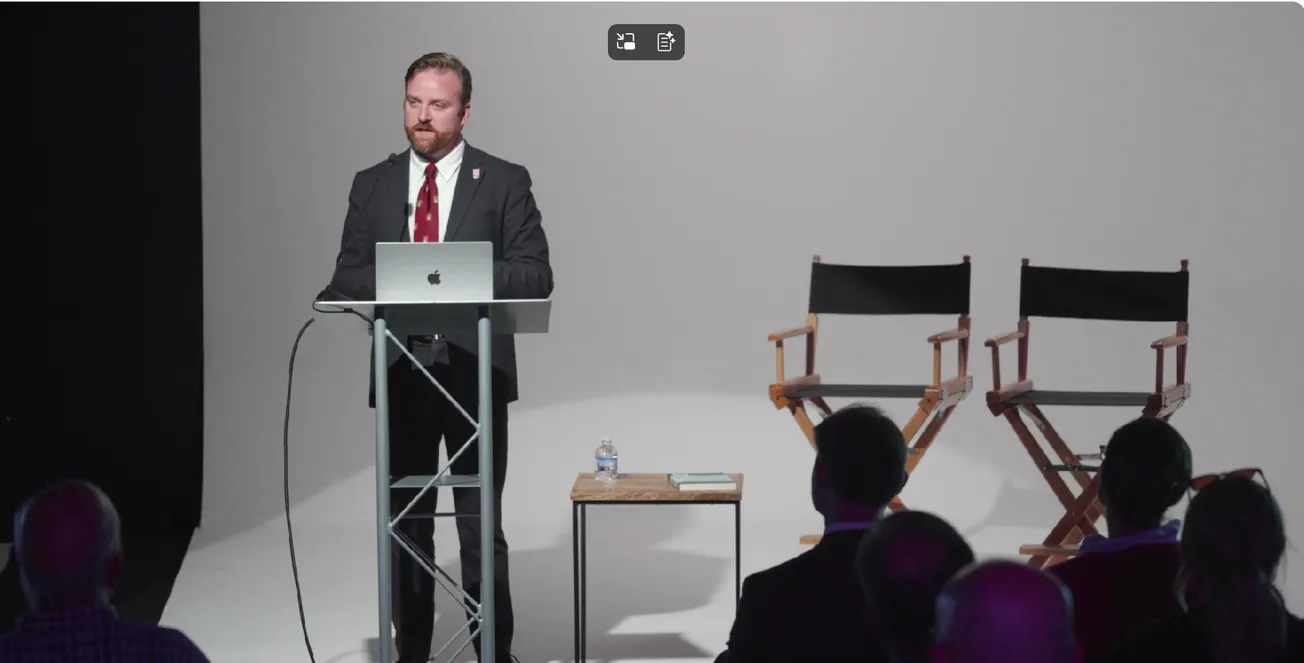
M. Nolan Gray, senior director of California YIMBY and Bluegrass Institute scholar, returned to his native Kentucky in October to speak to an audience in Louisville about how to keep the American dream of homeownership alive. In November, he followed this up with the release of his Bluegrass Institute policy brief, A Menu of Options for Kentucky Housing Reform 2026.
In Lexington, the median home price has climbed from 2.8 times median household income in the early 1990s to over five times median income today. A starter home that sold for $68,000 then would cost over $325,000 now. Bowling Green shows similar pressures. Louisville faces some of the highest rent burdens in the country. And Kentucky is building far fewer homes than peer states like Tennessee and North Carolina—states maintaining affordability by allowing construction to keep pace with demand.
Kentucky's Path Forward
The good news: we know what works, and the Kentucky Housing Task Force recently embraced many of these solutions.
The Task Force's final report aligns closely with Bluegrass Institute recommendations on key reforms:
- Streamlined permitting with "shot clock" deadlines and third-party reviews
- Property owner protections against arbitrary mid-process rule changes
- Density reforms including reduced lot sizes and legalized small multifamily housing
- Cost-cutting building code changes like single-staircase allowances
- Reduced parking mandates that add $10,000-$50,000 per unit
- Support for faith-based housing without undue zoning barriers
These aren't theoretical solutions. Texas legalized townhouses in Houston in the late 1990s, resulting in over 100,000 units built while maintaining affordability despite absorbing a quarter-million new residents. Florida's Live Local Act allowed housing on struggling commercial properties, triggering an immediate building boom. California's 2017 accessory dwelling unit reforms produced over 100,000 new units.
What's at Stake
This isn't abstract policy. It's whether the Kentucky dream remains accessible. Can a young automotive engineer and healthcare worker buy a home and build a life here? Can adult children afford to stay near aging parents? Can someone retire without leaving their community?
In polarized times, housing affordability cuts across partisan lines. Utah approaches it from a families perspective. Montana focuses on property rights. Connecticut addresses segregation. As the Task Force's work demonstrates, Kentucky has an opportunity to lead.
Our peer states are already implementing these reforms. The question is whether Kentucky will preserve the affordability that has always been central to the Commonwealth's appeal—or follow California's path toward stratospheric prices and mass displacement.
The choice is ours, and the time to act is now.
Learn more about the Bluegrass Institute's housing reform agenda.